On the afternoon of January 9th, the Institute of Energy, Environment and Economy, Tsinghua University (3E) held a project meeting on regional carbon neutrality planning and capacity building. Experts from Tsinghua University, Zhejiang University, Jiangsu University, Henan University and Xinjiang University gathered together to exchange the research results and discussed problems faced in each region's carbon neutrality planning. Professor Zhang Xiliang, Director of the 3E Institute, chaired the meeting.
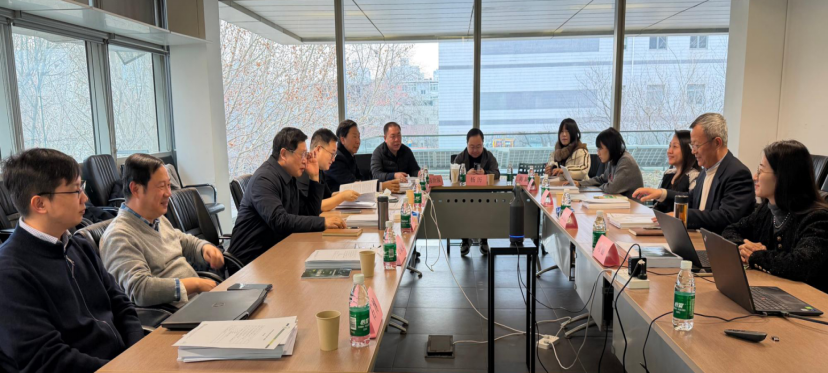
The regional carbon neutrality planning and capacity building project is one of the three components of the China Carbon Neutrality Initiative (CCNI) of Tsinghua University. From the perspective of the national "dual carbon" goals and the differentiated implementation paths at the local level, this project selected four representative provinces - Zhejiang, Jiangsu, Henan, and Xinjiang - to conduct research on carbon neutrality planning and capacity building. Zhou Li, Associate Researcher from the 3E Institute, reported the overall progress of the project on behalf of the whole team; Shi Minjun, Director of the Center for Urban Development and Low-Carbon Strategy of Zhejiang University, Tian Lixin, former Vice President of Jiangsu University and currently Director of the Institute of Carbon Neutrality Development, Ma Wei, Associate Professor from the School of Economics and Management of Xinjiang University, and Miao Changhong, Executive Director of the Key Research Institute of Yellow River Civilization and Sustainable Development of Henan University, presented the research results of their respective provinces.
Then, experts delved into in-depth discussions on key scientific issues such as carbon emission data and modeling methods, the capacity of local government officials and researchers for carbon neutrality planning and implementation, and the challenges faced in the 15th Five-Year Plan period. Experts believe that most provinces in China are under pressure to achieve the carbon peaking and carbon neutrality goals, and the research and decision-making capabilities for carbon neutrality planning at local levels urgently need to be enhanced. The trainings conducted in the four provinces under this project is highly beneficial for improving the local capabilities. The regional carbon neutrality planning methodological framework constructed by the project has significant value for the carbon neutrality planning of all localities across the country. The research team will actively promote the transformation of the research results and establish an experience exchange mechanism among the provinces.
In his concluding remarks, Professor Zhang Xiliang highly affirmed the achievements of the research team and instructed the team members to integrate the planning methods and cases into a book, providing reference for carbon neutrality planning in more regions and contributing to the nation’s green and low-carbon transformation.